The snow has arrived in Pennsylvania! Waking up to a cold house on an already frigid winter morning is about as terrifying as seeing spoilers online for your favorite TV show.
At Shafer’s HVAC, we’ve responded to countless emergency calls and while we’re always here to help, we also believe in empowering homeowners with the knowledge to handle these situations confidently until professional help arrives. Think of this as your winter survival guide, practical steps that can make all the difference when your heat goes out.
Your first thought is probably, “what is happening and what do I do??” and that’s valid.
Start with this checklist.
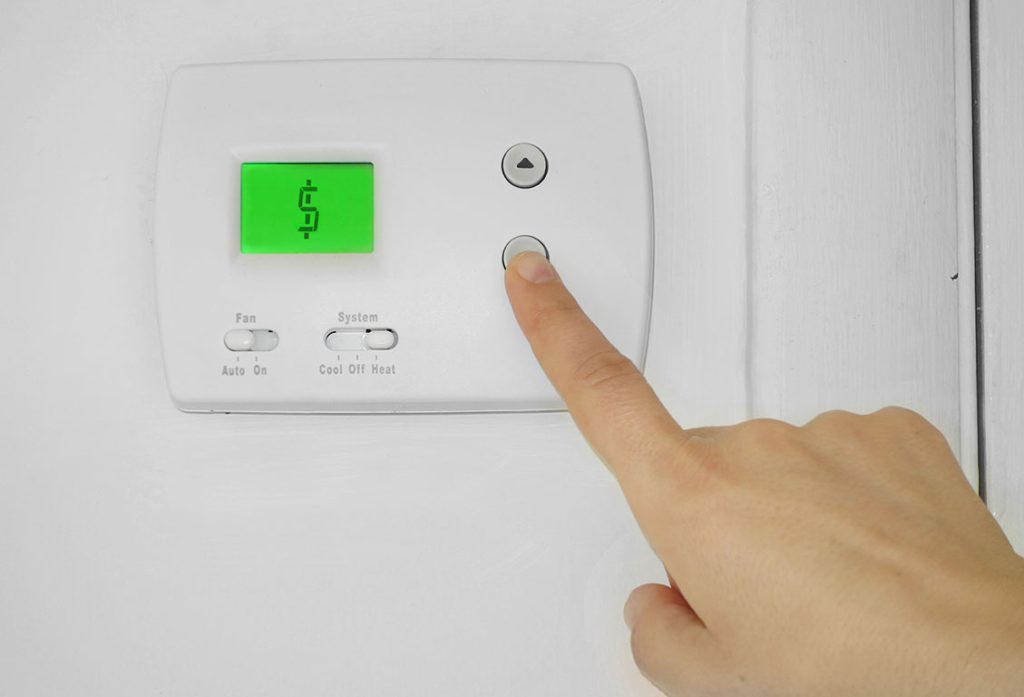
✅ Check your thermostat settings. Just like “unplug the router and plug it back in” is often the first thing to try when your Internet goes out, sometimes your thermostat just needs a look, too.
- Is it in heat mode?
- Is it set higher than the current room temp?
- If you have a smart thermostat, is it set to away?
✅ Sight, sound and smell check. Do you see flames, smoke or sparks coming from your heating system and/or do you smell natural gas? If you see anything or smell natural gas, avoid using electrical switches or creating any sparks and leave the house. Call your gas company and 911 immediately. Don’t return until professionals clear you to return.
Is your furnace making any noises?
- Silence: could be a power or ignition issue
- Banging, squealing or clicking: could be a component problem
✅ Monitor carbon monoxide detectors. If your detector goes off, treat it as an emergency.
- Make sure to get everyone outside
- Call 911 and don’t go back inside until you have clearance
✅ Check for warning signs. If you have a new furnace, it might include diagnostic indicators that flash error codes. Snap a picture with your phone to show your technician later.
✅ Look at your circuit breaker and furnace switch. Locate your electrical panel and look for a tripped breaker.
- A tripped breaker will be in the middle position or switched to “off”
- Flip it completely off, then back on
- Check that your furnace power switch (looks like a light switch near your furnace) isn’t off
The below tips are a bit more advanced, so if you need assistance, call a technician!
✅ Check/replace your air filter. Your system can overheat and shut down for safety if your air filter is clogged. If your filter looks dirty or you haven’t changed it in more than three months, replace it.
✅ Inspect your condensate drain. Many high-efficiency furnaces have a condensate drain that can freeze or clog, triggering a safety shutoff. Look for a small plastic tube or pipe coming from your furnace. If you see water backing up or ice forming, this could be your issue. You can try clearing minor blockages, but be careful not to damage components.
✅ Check your outdoor unit (for heat pumps). If you have a heat pump, inspect the outdoor unit. Heavy ice or snow accumulation can prevent proper operation. Gently remove snow buildup, but never chip away ice or use sharp objects that could damage the fins or coils.
✅ Reset your system. Some furnaces have a reset button (typically red or yellow). Try pressing it once. If the system fires up but shuts down again within a few minutes, don’t try again. This is the time to call for professional help.
Speaking of professional help, when should you call?
Here are a few guidelines:
Call a technician immediately when:
- Outdoor temperatures are forecast to drop into ranges below 20°F
- You have young children, elderly family members or individuals with health conditions in your home
- Water pipes are beginning to freeze
- Heat has been off for over 30 minutes and nothing you are trying is working
You can wait to call if:
- The heat is out but outdoor temperatures are above 40°F
- You have temporary heating solutions and no vulnerable household members
- The problem as something minor (like needing a new filter)
While you’re waiting, here are a few temporary solutions to stay warm!
Keep your doors closed. You can try to keep the heat in one room where your family can stay. Choose rooms on higher floors since heat rises.
Use a space heater. But take caution. Keep them at least three feet from anything flammable, like curtains, bedding and furniture. Don’t leave them unattended and don’t let them run while you sleep. Plug them directly into wall outlets and don’t use extension cords, as they can overheat. Heaters with automatic shut-off features and tip-over protection are ideal.
Seal off drafts. Use towels, blankets or weather stripping to block drafts under doors and around windows.
Layer clothing and use sleeping bags. Dress in layers and at night, layer blankets and consider using sleeping bags for extra insulation.
Monitor vulnerable family members. Watch for signs of hypothermia: shivering, confusion, drowsiness or slurred speech. If you observe these symptoms, seek medical attention immediately.
When you call Shafer’s HVAC or any HVAC professional, be prepared to provide specific information: your thermostat readings, any error codes or warning lights, what sounds you’re hearing (or not hearing), what troubleshooting steps you’ve already tried, and how long you’ve been without heat. This information helps technicians arrive prepared with the right tools and parts.Don’t wait for a freezing night to think about your heating system. Contact Shafer’s HVAC today to schedule your annual maintenance or to discuss any concerns about your system’s performance.