According to the Centers for Disease Control and Prevention (CDC), there are over 400 deaths annually from unintentional carbon monoxide poisoning. Along with that stat, over 100,000 people visit the emergency room due to carbon monoxide poisoning every single year, and 14,000 are hospitalized. These are pretty shocking statistics.
The peak months for these stats are December – February. It makes perfect sense for those of us in the PA area, because we are using our furnaces more in the cold, winter months, and our windows aren’t open, so gas is trapped if it does leak.
What is carbon monoxide?
Carbon monoxide is a colorless, tasteless, and odorless gas, making it extremely dangerous because, until you experience symptoms, you might not be aware of its presence. It’s a byproduct of incomplete fuel combustion, and common sources in your home include your furnace, water heater, gas stove, fireplace, and attached garage with your vehicles inside. If your home has an older HVAC system, you are more vulnerable.
Why is carbon monoxide so harmful?
Carbon monoxide actually replaces oxygen in your bloodstream and prevents oxygen from getting to your vital organs. Your heart and your brain are most affected by this. High-level exposure for even as little as 1-3 minutes can be fatal.
The people most at risk are infants, the elderly, and people with respiratory conditions.
What are the symptoms of carbon monoxide poisoning?
Symptoms of carbon monoxide poisoning include headaches, dizziness, nausea, confusion, and even loss of consciousness. While these symptoms are common with a variety of illnesses, it’s important to note that if multiple family members in the home are getting sick around the same time, and fairly suddenly, it could be carbon monoxide poisoning.
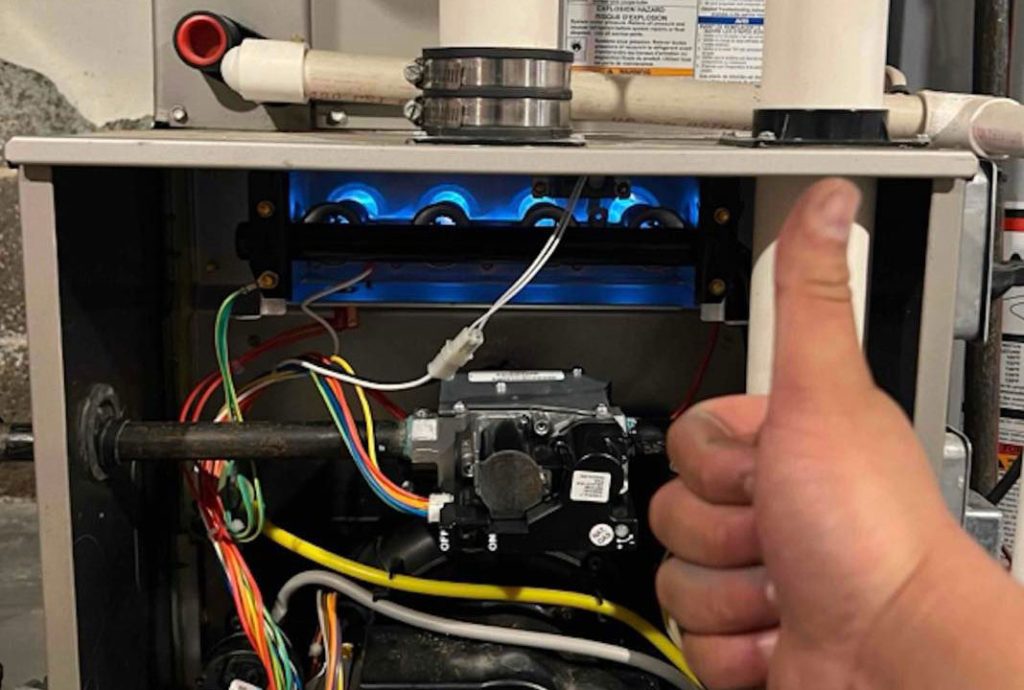
Your home itself can also provide some clues. If you see a yellow or orange flame in your furnace when it should be blue, or the pilot light keeps going out, this could indicate a problem.
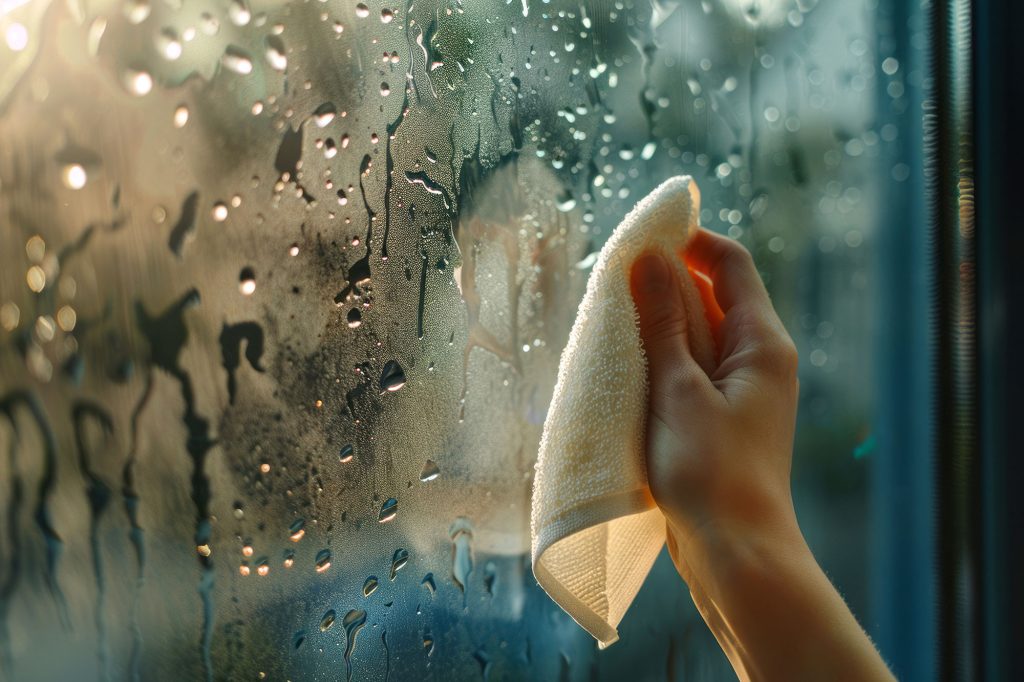
You might also notice condensation on your windows or a buildup of soot.
What to do if I experience symptoms of carbon monoxide poisoning or my alarm goes off?
Get outside immediately. Call 911 from outside. Do not go back into your home until you are cleared to do so by the proper emergency responders.
Contact Shafer’s before starting your heating system again. We offer 24/7 emergency response.
How can I protect my home from carbon monoxide?
Protect your home by putting a battery-operated carbon monoxide detector on every level of your home, especially near bedrooms, so you can hear it go off overnight.
Just as you check your smoke alarms, test your carbon monoxide detectors every month, and replace batteries at least twice a year. Usually, units last about 5-7 years, so keep them updated.
How can Shafer’s keep my home safe from carbon monoxide?
Schedule a yearly maintenance and inspection check. At that time, we look for any cracks or damage to your heat exchanger, ensure proper ventilation and exhaust systems, review combustion efficiency, and check gas pressure and connections.
We combine technical expertise with customer education, helping you understand your system’s safety features.
Safety Tips for Carbon Monoxide
Never run a generator in your home or in your garage. These produce high levels of carbon monoxide. They should only be run outside and at least 20 feet away from windows, doors, and vents.
Do not warm up your car in an attached garage, as the fumes from the exhaust can leak into your home quickly. Have your mechanic check the exhaust system of your car annually. A small leak in the exhaust system can lead to a buildup of carbon monoxide inside the car.
If you have a chimney in your home, get it inspected annually, as blockages and structural issues can cause carbon monoxide buildup, which can leak back into your home.
Carbon monoxide poisoning is preventable when the right precautions are taken.
Contact us today to ensure your furnace is working properly or to ask any questions you may have about carbon monoxide and safety in your home. We are here to help.