A furnace is the powerhouse of your home’s heating system. It generates heat and then distributes it through your home via ductwork.
It burns some type of fuel (natural gas, propane or oil) and if all is working properly, it does its job to keep your home heated very well.
What signs should I look for that it might be time to repair my furnace?
Age is a big factor. If your furnace is less than 15 years old, repair could be on the table. Some furnaces have warranties of up to 10 years, so check on that first.
How do I know if my furnace is under warranty?
Look for your original paperwork. If you can’t find it, or weren’t the original owners of the home, find the model and serial number of the furnace. This is usually located on a metal data plate attached to your furnace. Once you have the numbers, you can visit the manufacturer’s website and search their warranty lookup tool or call their customer service line directly.
You can also try calling the company that installed your furnace. If Shafer’s installed your furnace, we can quickly pull up your system details, warranty registration, and coverage specifics.
Cost is another factor when it comes to repairs. If the repair is 30% – 50% of a new furnace’s price and is considered a minor problem, repair is possible.
What are some common minor problems with a furnace?
Dirty or Clogged Air Filters. A clogged filter restricts airflow and you’ll notice reduced heat output, longer run times or system shutdowns. Replace your filter every 1-3 months depending on usage, pets and air quality. Shafer’s recommends PremierOne products.
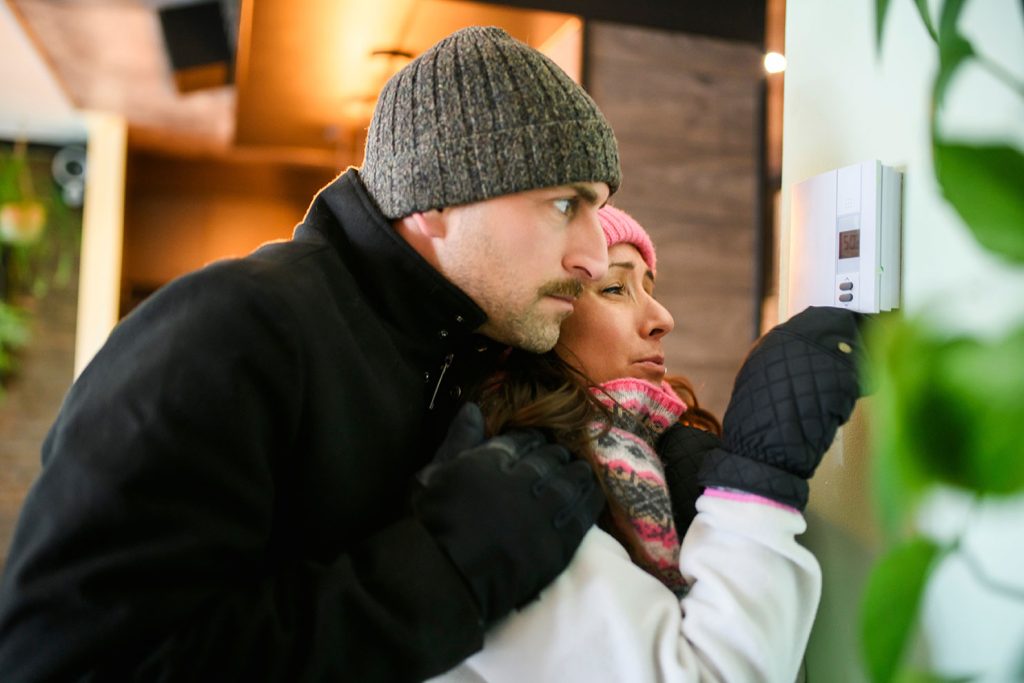
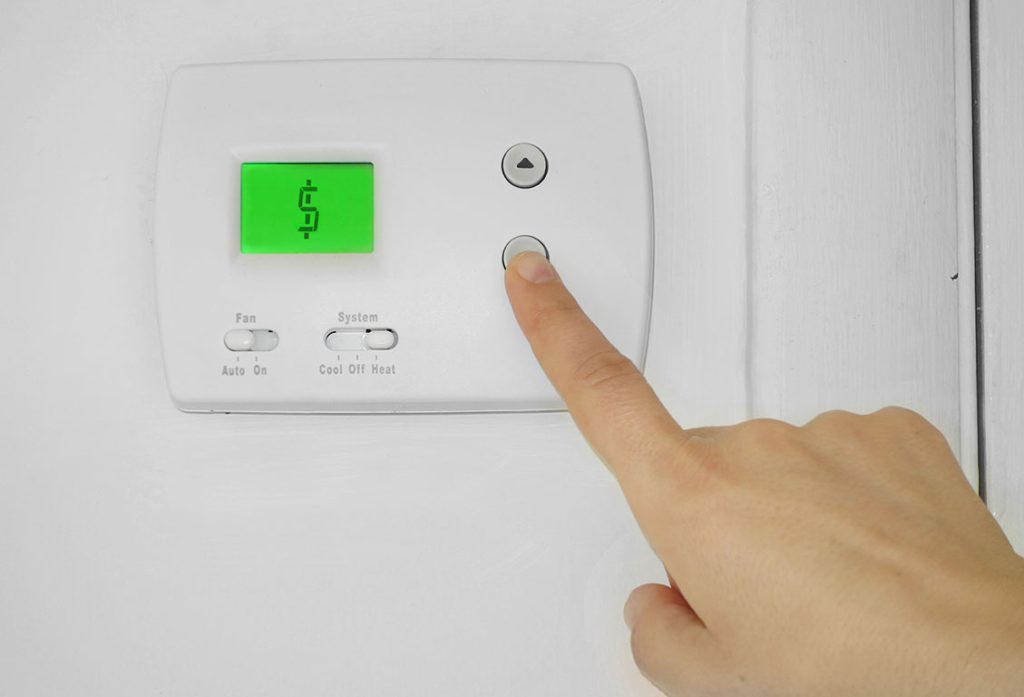
Thermostat Issues. A dead battery or a setting that was changed could be your culprit.
Tripped Circuit Breaker or Blown Fuse. Check your electrical panel. If the breaker trips repeatedly after resetting, that signals a deeper electrical issue.
Dirty Flame Sensor. Gas furnaces use a flame sensor to confirm the burner has ignited before allowing gas to flow. If dirty, the furnace could shut down for safety. A simple cleaning typically restores normal operation.
Pilot Light or Ignition Problems. A standing pilot light can blow out and modern furnaces use an electronic ignition, which can malfunction. Relighting or resetting could fix your issue.
What signs should I look for that it might be time to replace my furnace?
Age again plays a role. If your furnace is 15-20 years old, it might be time for a replacement. It’s also out of warranty at this point, so nothing will be covered.
If the repair cost is more than 50% of the cost of a new furnace, it’s time to replace.
There are other general red flags that your current system is not able to keep up. If it’s constantly breaking down, if you notice visible damage like cracks, the heating is uneven, and your energy bills are increasing, it’s time to give us a call.
You also need to be aware of safety issues, such as carbon monoxide output and poor air quality. All fuel-burning furnaces produce carbon monoxide as a normal byproduct of combustion. In a properly functioning system, this gas vents safely outside your home through the flue or exhaust pipe. A cracked heat exchanger, blocked venting, or other issues, pulls exhaust gases into your living space. This has dire health effects.
Low to moderate exposure causes headaches, dizziness, nausea, confusion, and fatigue and higher concentrations lead to more severe reactions: vomiting, chest pain, disorientation, loss of consciousness, and impaired coordination. At extreme levels, carbon monoxide poisoning causes brain damage, organ failure, and death within minutes to hours.
The number one cause of furnace failure is neglect or no yearly maintenance, so contact us to chat about routine maintenance, maintenance plans, filter life, or any questions you might have about maintaining your furnace. 24/7 Emergency Services: 724-543-2615.